November was supposed to be a full month, in the best way. I had my preliminary exam coming up. I was planning to travel to a conference and present our paper. I was excited to see people I care about.
On top of that, there was a soccer tournament organized by the International Students Council at Iowa State University. Two teams asked me to play. One was a team of Habeshas, with Ethiopians and Eritreans. The other was the Turkish team. I chose to play for the Habesha team because I felt they were stronger. I still hope my Turkish friends never hear this sentence.
On November 1, we had three games scheduled. Each game was about thirty minutes with short breaks in between. I felt ready, and honestly, I felt happy just to be on the field.
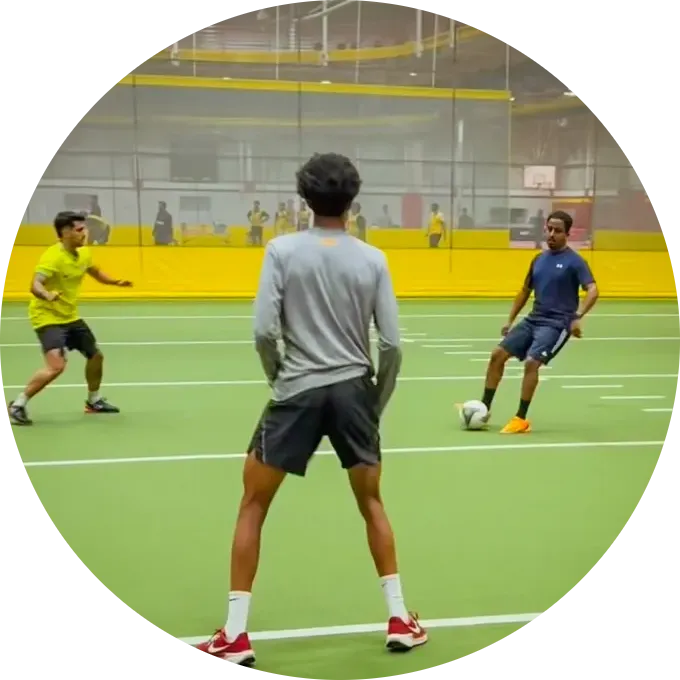
The day started well. We won our first game, and I even scored a goal.
Our second game was against the Brazilian team, easily the strongest team in the tournament. I still believed we had a chance. The game was close and intense, and then they scored with about fifteen minutes left.
We decided to push forward and attack with everything we had. I started making repeated sprints up and down the field. At some point, I felt a small crack or tear sensation in my left ankle. I brushed it off. I told myself it was nothing serious, maybe just my foot making a sound inside my shoe, so I kept playing.
A few minutes later, the ball bounced in front of me perfectly. I took a touch to set up my shot. And right as I was about to shoot, something happened that changed the whole month. I felt a pop in my ankle and I went down. For a split second, I genuinely thought someone had kicked me from behind. I turned around, and no one was near me.
In that moment, I knew something was wrong. I had this strong feeling that it was my Achilles tendon. The strange part is, I do not remember strong pain right then. The shock was more mental than physical. All my plans for November started flashing through my head. Exams. Travel. The conference. Seeing the people I love.
My teammates helped me off the field. The game ended in a one to zero loss. After that, I asked a friend to drive me to the emergency room.
On the way, I tried to stay calm, but the fear was loud. I started looking up Achilles injuries on my phone. I was almost scared to remove my shoe, like the truth would fully appear the moment it came off.
At the ER, the first thing I did was ask for scissors because I wanted them to cut my shoe off. The nurses insisted they could take it off without cutting it, and they did. It hurt a little, but it was more discomfort than sharp pain.
They checked my vitals and I waited for the doctor. When he arrived, he examined my ankle. He touched the tendon area and my calf, then asked me to lie on my stomach and bend my knees. He squeezed my right calf and my right foot moved. He squeezed my left calf and my left foot did not move at all.
He looked at me and said, “Yes, you have a complete Achilles tear.”
Hearing those words hit hard. He tried to reassure me and said it is a common injury for people around my age. He told me to call the orthopedic office on Monday to set up an appointment. Until then, they put my leg in a cast to keep my ankle still and gave me crutches.
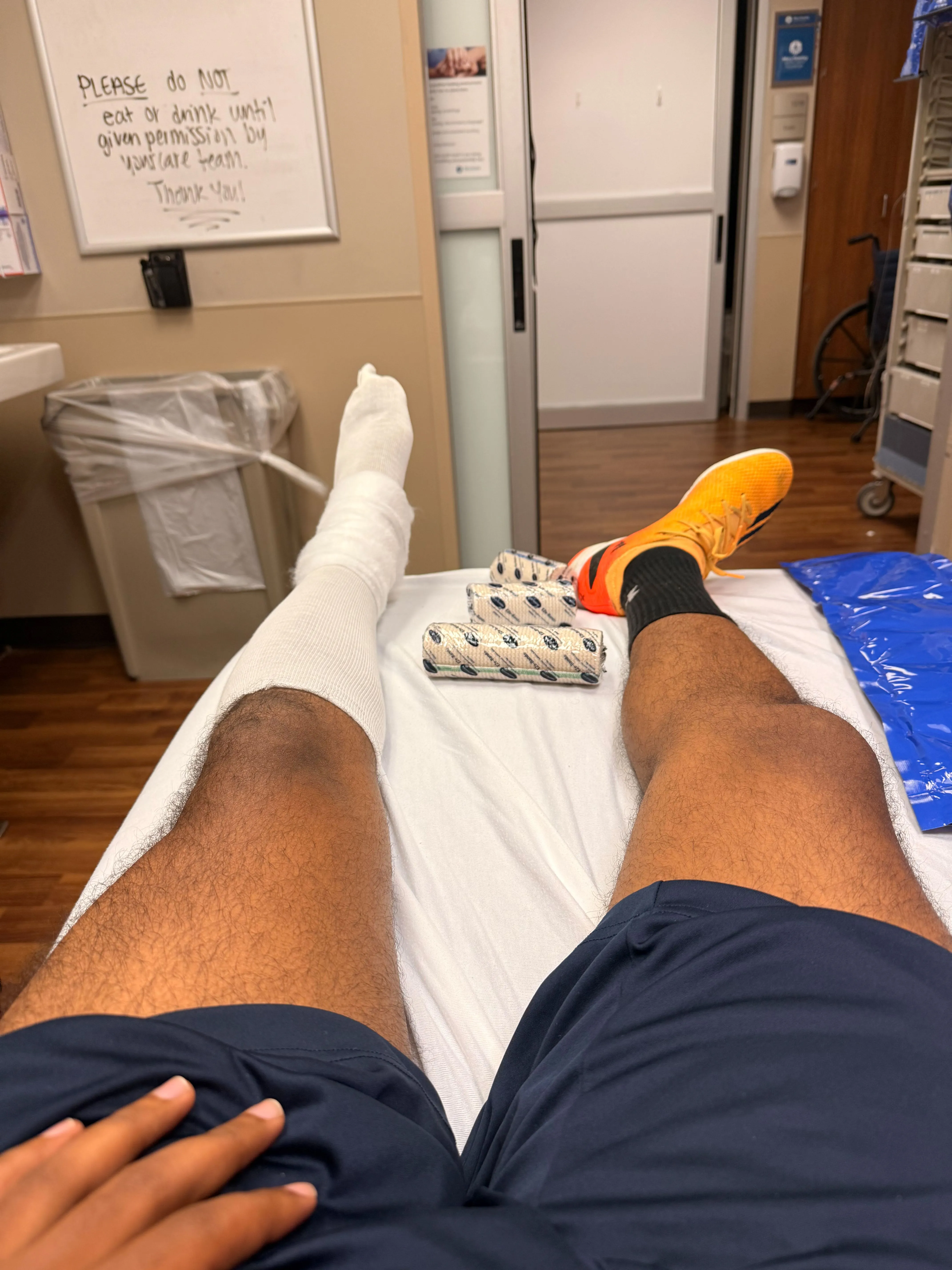
I never imagined I would use crutches in my life. The first time I tried walking with them, it felt awkward and exhausting, like my whole body had to relearn something basic.
I went home that day with almost no pain, but my mind was not okay. I felt drained. My thoughts kept looping around the same questions. How long will recovery take? How will this affect school? How will this change my daily life?
We bought a cast cover so I could shower without getting it wet. That tiny item felt weirdly important, because it reminded me that even simple things now needed planning.
Once I got home, reality settled in. Cooking became harder. Cleaning became harder. Getting dressed became harder. Even moving from one room to another took effort. I felt frustrated and helpless at the same time.
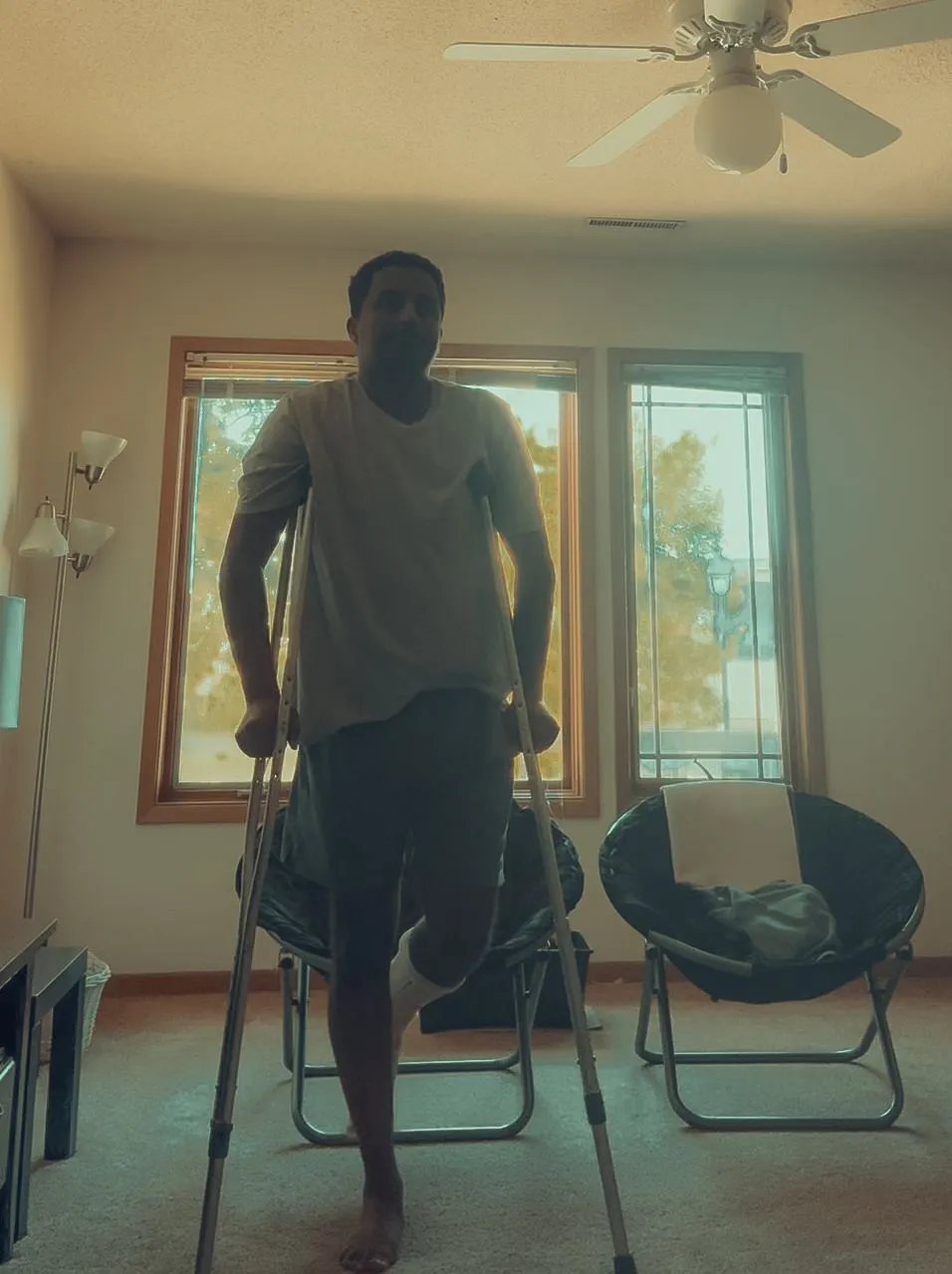
I had to learn how to do everything while balancing on crutches. I also had to ask for help, which was not easy for me. I am used to doing things on my own. Accepting help from friends was humbling, but also genuinely comforting.
After that long weekend, Monday finally came. I called the orthopedic office as soon as they opened. They gave me an appointment for Tuesday. By then, I was almost sure I would need surgery.
That Monday felt slow because I was anxious to know what would happen next. Then in the afternoon, the orthopedic office called me and said that if I needed surgery, they wanted to schedule it for Wednesday.
That call made everything feel real. I started preparing myself mentally. I wrote down questions for the surgeon, because I wanted to understand the procedure, the risks, and what recovery would actually look like.
On Tuesday, I went to the orthopedic office. They removed my cast first. It did not really hurt, but it felt strange, like my leg had been trapped in a shell and suddenly it was exposed again.
The surgeon came in and introduced herself. She asked how it happened and went through my medical history. Then she examined my ankle and did the same tests the ER doctor did. At one point, I heard her say quietly, “Yup, it is a complete tear.”
After the exam, she explained the two main treatment options. One was non surgical and the other was surgical. She walked me through the benefits and the drawbacks of each path. I took a short moment to think, but I already knew where my mind was leaning. I chose surgery because I felt it gave me the best chance at a full recovery and a real return to the activities I love.
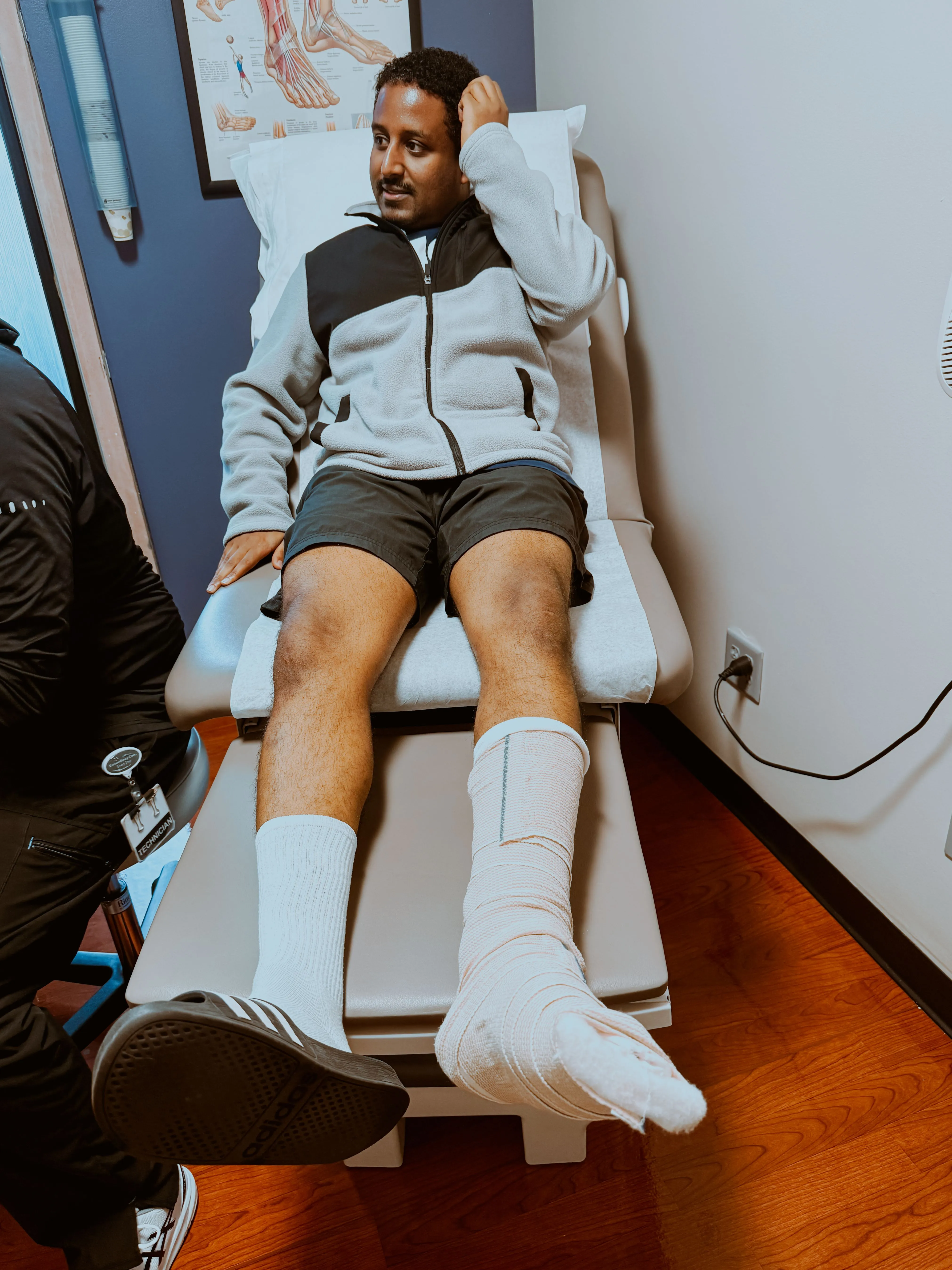
She scheduled the surgery for the next day. They gave me instructions for the night before and prescriptions for pain medicine and antibiotics. They also put me in a boot to keep my ankle stable until the operation.
That evening, my emotions were all over the place. I was nervous about the procedure and scared of the unknown, but I also felt some relief because at least there was a plan.
I emailed my professors to explain what happened. I canceled my travel plans for the month. I took a special shower with the soap they gave me to clean around the ankle area. And I followed the rule of no food or drink after midnight.
I also made a difficult choice. I did not tell my family in Ethiopia about the surgery right away. I knew they would worry, and I knew there was not much they could do from far away. Thankfully, friends kept me company, both in person and on FaceTime, and that support made the night feel less heavy.
On Wednesday morning, I arrived at the surgery center at eight. After check in, they took me to the preoperative area and gave me a hospital gown. Nurses came in and started preparing me. One shaved my left leg up to my knee. Another tried to insert an IV. After a few attempts, she called a more experienced nurse who got it in.
Then I waited for the anesthesiologist. I lay there for about thirty minutes before she arrived. She introduced herself and explained the plan. I would get general anesthesia and a nerve block to help with pain after surgery.
She asked me to breathe through an oxygen mask to relax before they took me into the operating room. I remember thinking the mask did not feel tight, and I planned to tell them. I do not remember if I actually did.
The next thing I remember is hearing my name. “Abdu, Abdu.”
I was back in the waiting area, groggy and confused. My throat was dry. They told me the surgery was over and it went well, and then they moved me to recovery room.
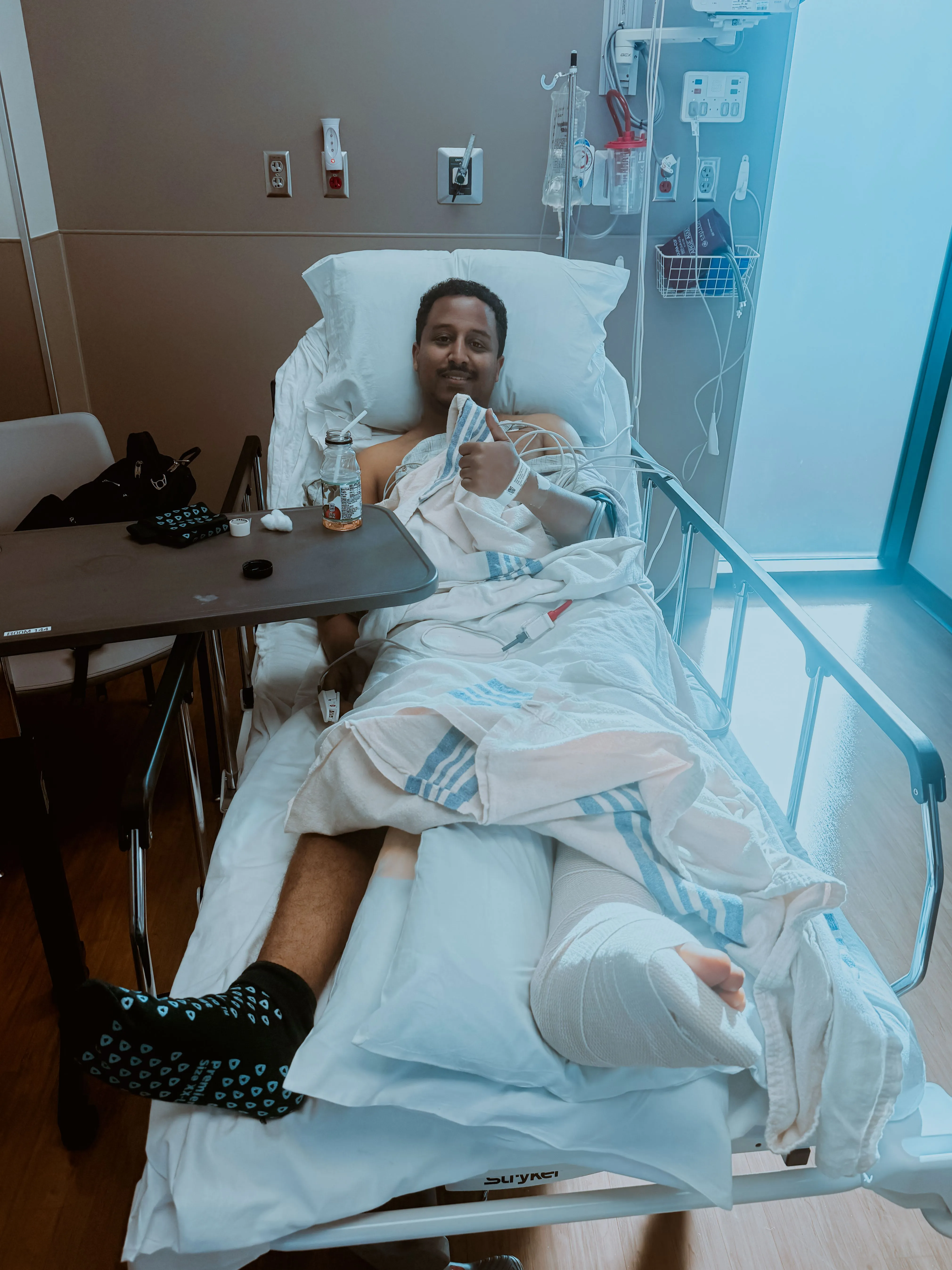
In the recovery room, I drank what felt like the best apple juice of my life. I asked for a second one, no shame.
After about thirty minutes, the nurse checked on me. She asked how I felt and whether I could move around using crutches. We did a short test, and I managed it, at least in that controlled space.
They discharged me with clear instructions. Keep my leg elevated. Do not put weight on it. Watch the surgical site. Take the medicines as prescribed. Come back for a follow up visit.
And that is how this recovery journey began.